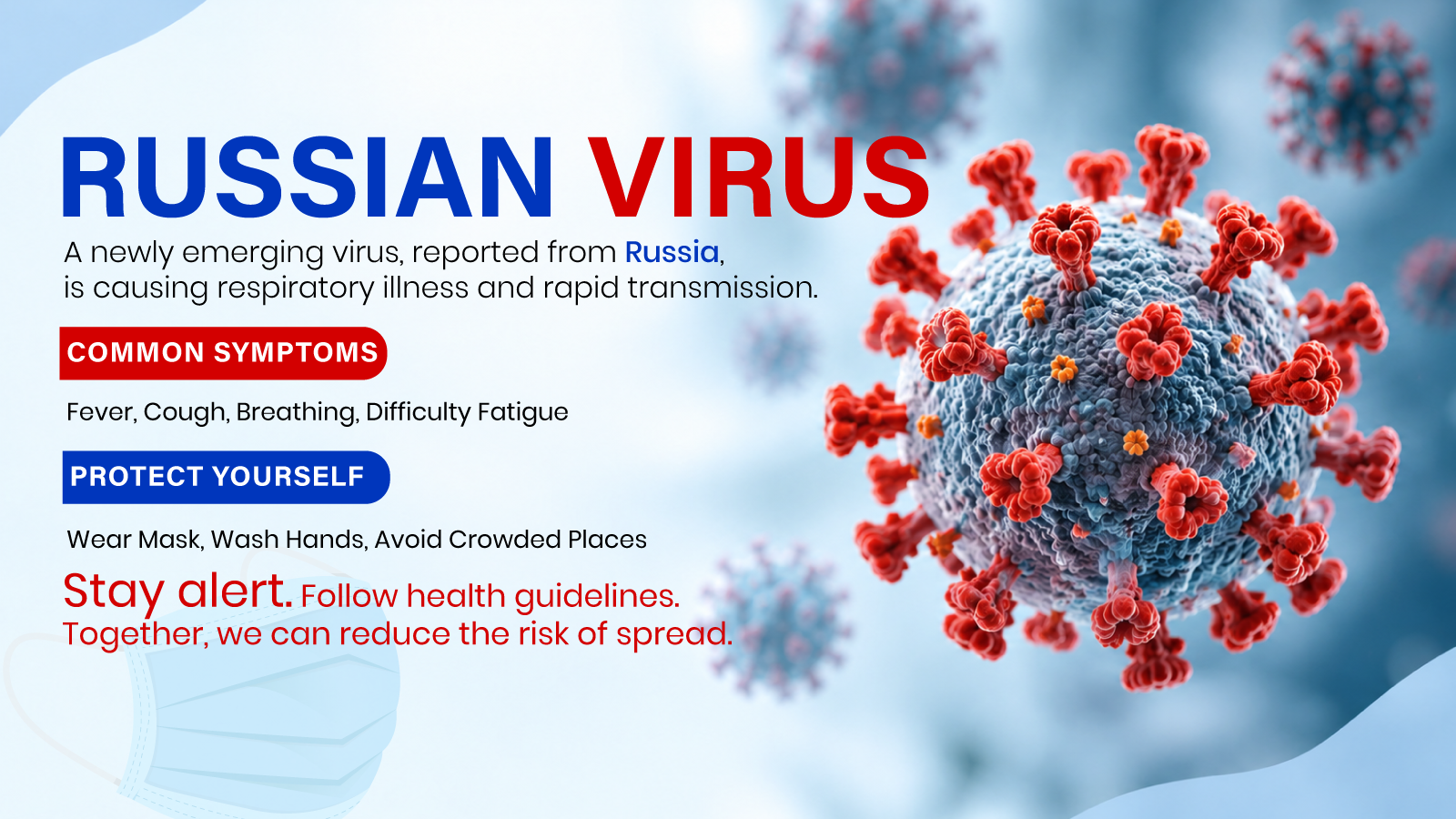
Concerned about the Russian virus? Discover the latest 2026 health updates, possible symptoms, how respiratory infections spread, prevention tips, and when to consult a doctor.
Russian Virus 2026: Symptoms, Latest Updates, Causes and Prevention
In recent weeks, discussions about the Russian virus have raised questions about infectious diseases, health risks, and whether a new virus could spread internationally.
But what exactly is the Russian virus? Is there a new viral outbreak in Russia, and should people be concerned?
The most important fact is that “Russian virus” is not an officially recognized name for a particular virus. The term can be used informally to describe infections reported in Russia or confused with the historical illness known as Russian flu.
This article explains the latest verified information, common respiratory infection symptoms, prevention methods, and when medical attention may be necessary.
What Is the Russian Virus?
The phrase “Russian virus” does not refer to a single medically identified pathogen.
It is important to distinguish between three different subjects:
- Respiratory infections in Russia: Common infections, including influenza, COVID-19, and other respiratory viruses.
- Historical Russian flu: A major pandemic that began in 1889, although its exact causative pathogen remains uncertain.
- Recent reports from Russia: Public health investigations that may involve suspected infectious diseases but do not necessarily confirm a new virus.
Understanding these differences helps prevent misinformation and unnecessary panic.
Russian Virus Latest News: October 2026
On October 10, 2026, the World Health Organization (WHO) published an update about the death of a laboratory employee in Irkutsk, Russia.
The individual died on October 2 after developing severe pneumonia. Initial reports raised concerns about possible pneumonic plague, but Russian authorities reported negative results for the high-threat pathogens tested.
According to WHO:
- The cause of the fatal pneumonia had not been established.
- No additional linked cases of severe pneumonia had been identified.
- WHO had not identified evidence of ongoing transmission associated with the incident.
- Further information was needed to clarify the cause of illness.
- WHO did not recommend travel or trade restrictions related to the event.
It is especially important to understand that plague is caused by a bacterium, not a virus. Therefore, this incident should not be described as a confirmed outbreak of a new Russian virus.
Update: Information verified against WHO reporting available as of October 14, 2026.
Possible Symptoms of Respiratory Viral Infections
Because no specific disease called “Russian virus” has been established, there is no medically defined list of Russian virus symptoms.
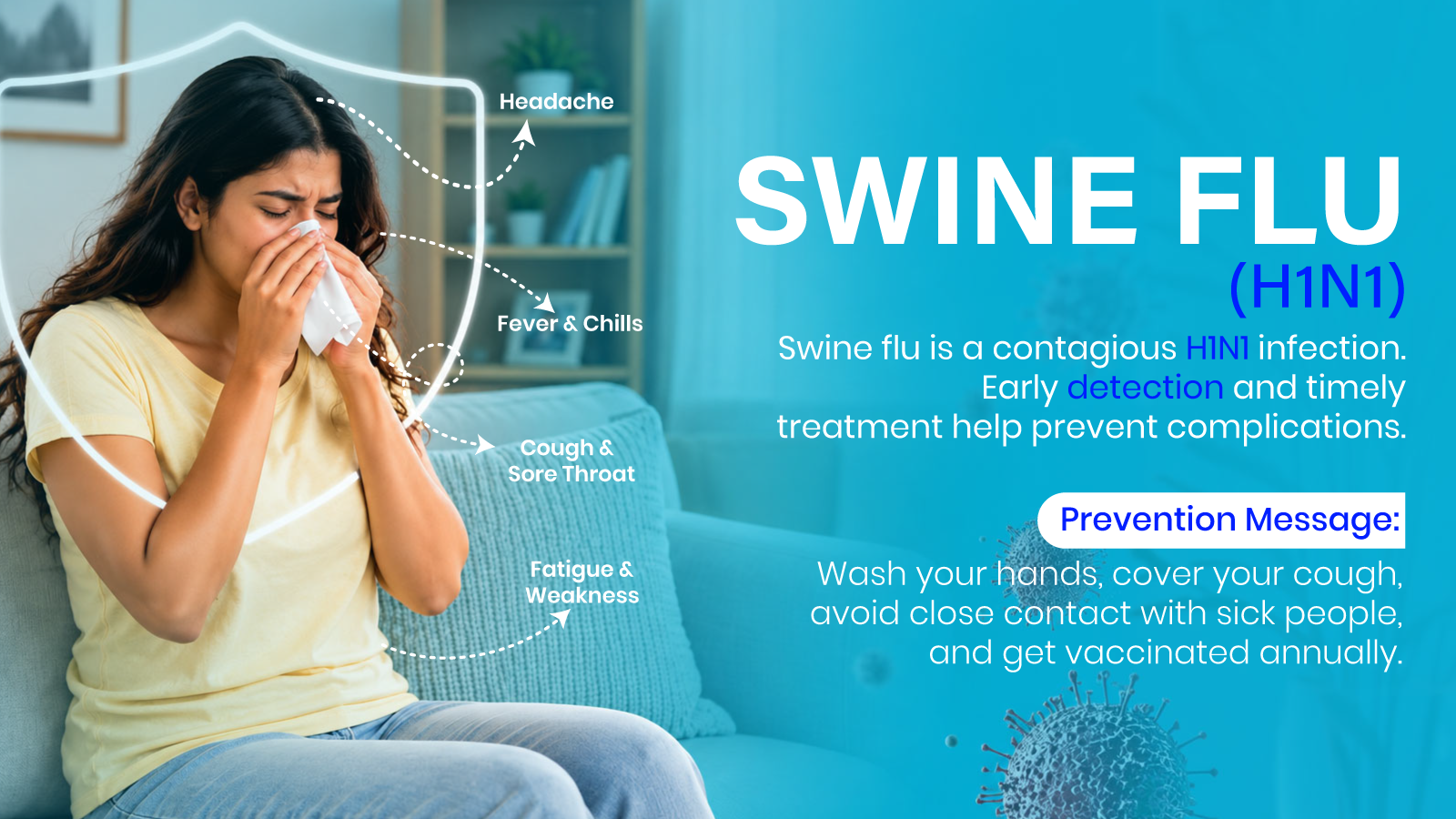
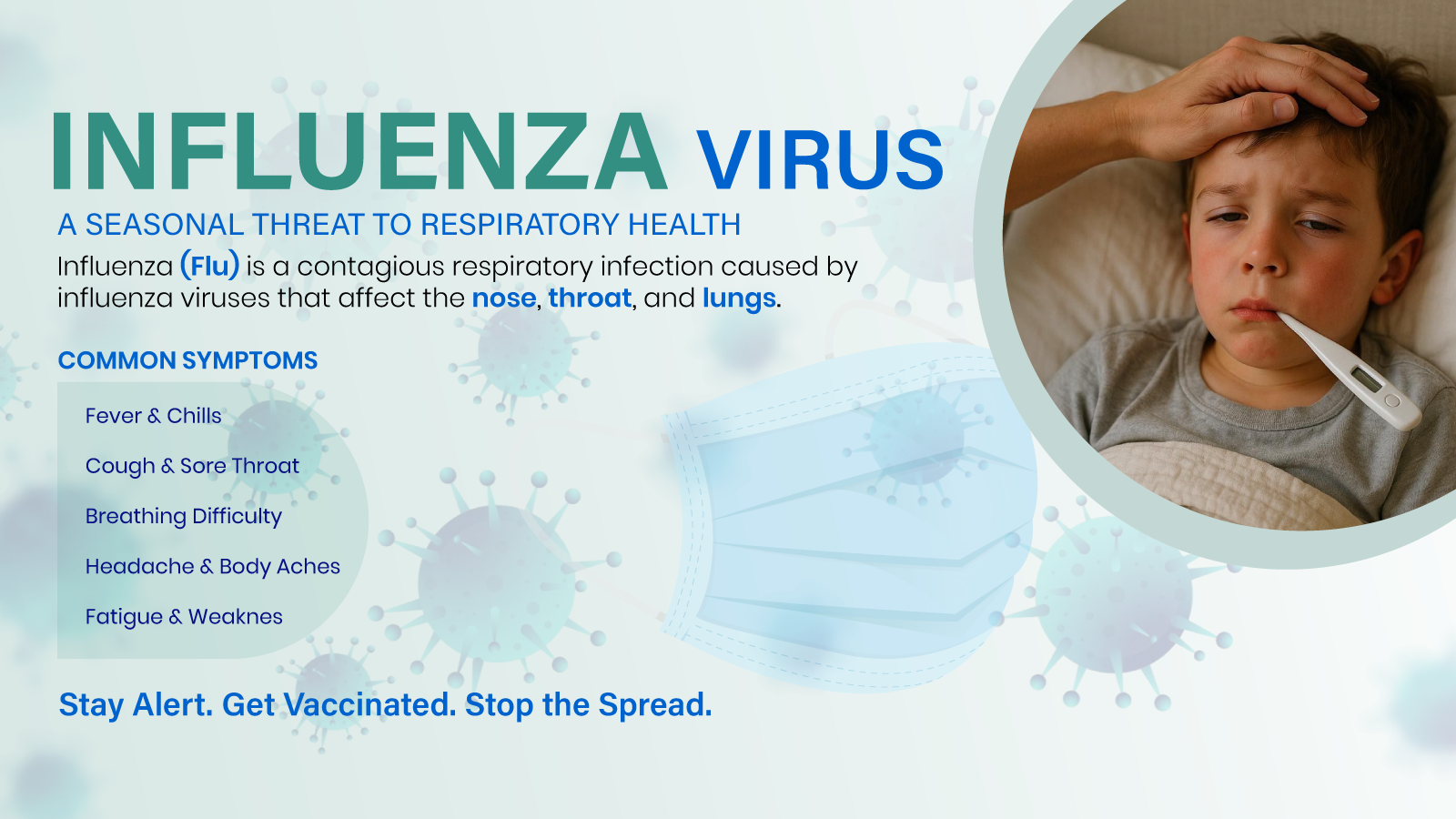
However, respiratory viral infections such as influenza, COVID-19, and other common viral illnesses may cause the following symptoms:
- Fever or chills: An increased body temperature or feeling unusually cold.
- Cough: A persistent dry or productive cough.
- Sore throat: Pain, irritation, or discomfort when swallowing.
- Fatigue: Unusual tiredness or weakness.
- Headache: Mild to severe head pain.
- Body aches: Muscle pain or general physical discomfort.
- Runny or blocked nose: Nasal congestion or increased mucus.
- Breathing difficulties: Shortness of breath, which may indicate a more serious illness.
These symptoms can occur with several different infections. Symptoms alone cannot identify the pathogen responsible.
How Do Respiratory Viruses Spread?
Many common respiratory viruses spread when an infected person breathes, talks, coughs, or sneezes, releasing infectious particles into the air.
Transmission is more likely in certain environments, particularly poorly ventilated indoor spaces where people spend time close together.
Some infections can also spread through contaminated hands or surfaces, although the relative importance of different routes varies by virus.
Good hygiene, cleaner indoor air, and appropriate precautions around sick individuals can reduce transmission risks.
Who Is at Greater Risk?
Although respiratory infections can affect people of any age, some individuals are more vulnerable to serious complications.
Higher-risk groups may include:
- Older adults
- Infants and young children
- Pregnant individuals
- People with weakened immune systems
- Patients with chronic lung or heart conditions
- Individuals with diabetes or certain other long-term medical conditions
People in these categories should contact a healthcare professional promptly if they develop concerning symptoms.
How to Protect Yourself from Viral Infections
Simple preventive measures can significantly reduce the risk of many respiratory illnesses.
1. Maintain Good Hand Hygiene
Wash your hands regularly using soap and water. When unavailable, use an appropriate alcohol-based hand sanitizer.
2. Avoid Close Contact When Sick
If you develop respiratory symptoms, stay away from others whenever possible to reduce the likelihood of transmission.
3. Improve Indoor Ventilation
Allow fresh air into indoor spaces and consider other ways to improve air quality, particularly in crowded environments.
4. Wear a Well-Fitting Mask When Appropriate
Masks can provide additional protection, particularly in crowded indoor settings or when respiratory infections are circulating.
5. Stay Updated on Recommended Vaccinations
Speak with a healthcare professional about recommended influenza, COVID-19, and other relevant vaccinations.
6. Follow Reliable Health Updates
Use official sources such as the WHO, national health authorities, and qualified medical professionals instead of relying on unverified social media claims.
What Should You Do If You Experience Symptoms?
If you develop fever, cough, sore throat, or other respiratory symptoms, monitor your condition and consider medical advice based on your risk factors and symptom severity.
For mild illness, rest, adequate fluids, and appropriate symptom relief may help. A healthcare professional may recommend testing for influenza, COVID-19, or other infections when clinically indicated.
Do not take antibiotics without medical advice. Antibiotics do not treat viral infections, although they may be necessary for certain bacterial illnesses.
Seek emergency medical care if you experience difficulty breathing, persistent chest pain, new confusion, or other serious warning signs.
When Should You Consult a Doctor?
Medical consultation is recommended when:
- Fever persists, worsens, or returns after improvement.
- Symptoms become progressively more severe.
- Breathing becomes difficult.
- You have a medical condition that increases your risk of complications.
- A child, older adult, or vulnerable family member develops concerning symptoms.
Early medical assessment can help identify the infection and determine the most appropriate treatment.
Frequently Asked Questions About the Russian Virus
Is the Russian virus a new disease in 2026?
There is no officially identified disease named “Russian virus.” The October 2026 investigation in Irkutsk involved pneumonia of undetermined cause, not a confirmed new viral disease.
What are the first symptoms of the Russian virus?
There are no established symptoms for a disease with this name. Common respiratory infections may begin with fever, cough, sore throat, headache, or fatigue.
Is the Russian virus dangerous?
The risk depends on the actual infection, the individual's health, and the severity of illness. A country-based nickname alone cannot establish how dangerous an illness is.
Can the Russian virus spread to India?
No specific new virus has been confirmed in the October 2026 Irkutsk incident. Some respiratory pathogens can spread internationally, but any specific risk should be evaluated using verified public health information.
Is there a vaccine for the Russian virus?
There is no vaccine specifically called a “Russian virus vaccine.” Vaccines are available for certain established infections, including influenza and COVID-19.
Final Thoughts
Health news about an unidentified illness can understandably raise concerns, particularly when reports mention possible outbreaks or international transmission.
However, accurate information is essential. The term Russian virus should not be confused with a confirmed medical diagnosis or evidence of a new pandemic.
The best approach is to follow credible public health updates, practice proven prevention measures, and seek appropriate medical attention when symptoms occur.
Disclaimer: This article is provided for general health education and does not replace professional medical advice, diagnosis, or treatment.
Sources and References
- World Health Organization — Pneumonia of Undetermined Etiology, Russian Federation (October 10, 2026): https://www.who.int/emergencies/disease-outbreak-news/item/2026-DON620
- Centers for Disease Control and Prevention — About Respiratory Illnesses: https://www.cdc.gov/respiratory-viruses/about/index.html
- CDC — Preventing Respiratory Illnesses: https://www.cdc.gov/respiratory-viruses/prevention/index.html
- CDC — Signs and Symptoms of Flu: https://www.cdc.gov/flu/signs-symptoms/index.html